David Bowie, palliative care, and a letter that travelled the world
21 October 2026
As part of our 70th anniversary campaign, we're sharing memories that capture the compassion, innovation and humanity that have shaped Velindre Cancer Service over the past seven decades. This is one colleague's story.
News of David Bowie's death dominated headlines around the world in January 2016. Such was the impact, the beloved musician often came up in conversations amongst patients, families, and staff at Velindre Cancer Centre, even on the long corridor to outpatients.
For one palliative care consultant, those conversations would ultimately lead to a letter that travelled far beyond the walls of Velindre and transcended to worldwide audiences. It was a unique addition to Bowie's legacy, helping more people approach the realities of death, dying, and palliative care.
At the time, Professor Mark Taubert was caring for patients facing life-limiting illnesses, supporting them to navigate difficult decisions about the future. One patient had recently received an advanced cancer diagnosis from Velindre and was trying to process what that news meant for her and those around her.
"We talked about her diagnosis, but somehow the conversation moved on to David Bowie," recalled Mark, who has worked at Velindre since 2006.
As details of Bowie's death became public, Mark noticed people discussing subjects that are often difficult to talk about more openly, including cancer, the dying moments, the last months of life, and what matters most at the end.
"It struck me that people were suddenly having conversations that we often tend to avoid," he said.
Initially writing notes for his annual appraisal, Mark began reflecting on the experiences of his patients, friends, and colleagues. Those reflections gradually evolved into a personal letter addressed to Bowie.
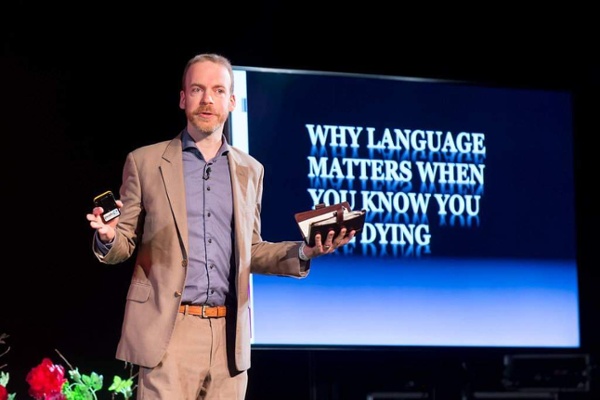
The result was 'A thank you letter to David Bowie from a palliative care doctor,' a moving piece that explored themes including mortality, dignity, family, and the importance of honest conversations.
The letter also highlighted the #TalkCPR campaign, which encourages people to discuss cardiopulmonary resuscitation and end-of-life wishes openly with loved ones and healthcare professionals.
An unexpected response
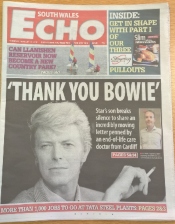 After being published by the British Medical Journal (BMJ), the letter quickly gained an avalanche of attention. It was shared by the Independent newspaper and charity Marie Curie, before being retweeted by Duncan Jones, David Bowie's son.
For several days, Mark found himself at the centre of an international media scrum. "My phone, social media, and email all went mad," he said. "I even had journalists turning up on my doorstep."
Media organisations from across the world wanted to speak with him, including CNN, Reuters, and Spain's El Mundo.
Peter Barrett-Lee, Velindre's Medical Director at the time, contacted Mark slightly puzzled as to why numerous international news organisations were trying to reach him to comment.
"As doctors, we're usually taught to avoid the media, so it definitely pushed me outside my comfort zone," reflected Mark.
Despite the attention, what mattered most was the reaction from patients, families and healthcare professionals: "It quickly became clear that people wanted to talk about palliative care."
A lasting legacy
The letter continued to find new audiences long after its initial impact.
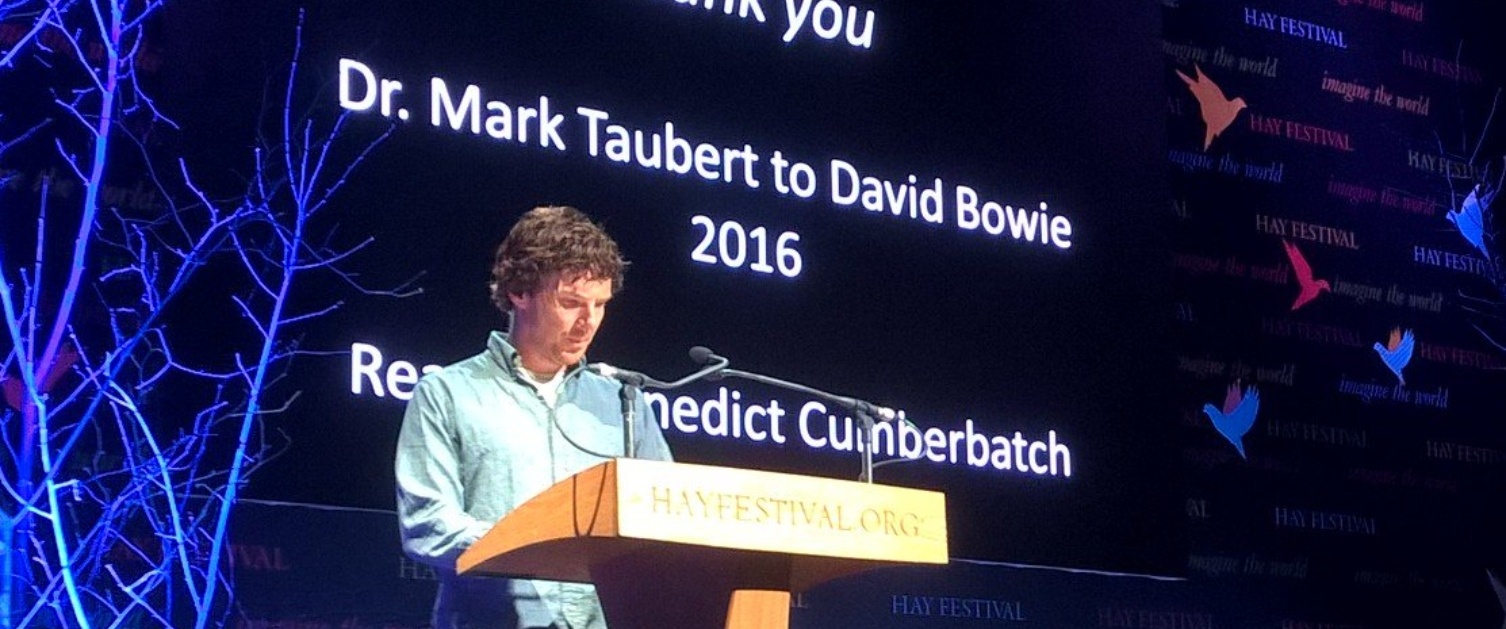
It was publicly read by actors and performers including Benedict Cumberbatch at the Hay Festival and Jarvis Cocker at Letters Live. A composer even used a recording of Mark's voice as part of a classical music composition, which was broadcast on BBC Radio 3 and performed internationally.
Mark received correspondence from across the world, including letters from people in Australia and Canada.
Perhaps most rewarding of all has been its use in education. As a regular teacher of medical students and postgraduate clinicians, Mark has heard from people who use the letter to help explain the meaning and purpose of palliative care.
"Many people told me it gave them words for something they had never really known how to speak about before," he remembered. "Others said that music and contemporary musicians or celebrities can be an alternate approach of discussing what the end of life might look like."
Special things happen in special places
Looking back, Mark believes the story began not with David Bowie, but with a patient conversation. The experiences and reflections shared every day by patients and families inspired a piece of writing that ultimately resonated far beyond Wales.
As Velindre Cancer Service celebrates its 70th anniversary, Mark's letter a decade ago serves as a valuable reminder of how vulnerability can be embraced in our most challenging moments.
"Special things happen in special places," Mark said in closing, reflecting on the important role Velindre has in providing specialist cancer services to over 1.5 million people.
Your story is our story
The story of Velindre Cancer Service has been shaped by thousands of patients, families, staff, volunteers, and supporters. As part of our 70th anniversary campaign, we're collecting memories, photographs and stories that help tell the story of Velindre through the people who know it best.
Velindre University NHS Trust, Unit 2,Charnwood Court, Parc Nantgarw, Nantgarw, Cardiff, CF15 7QZ
Tel: 029 2019 6161


